Our history.
A story that straddles the pastoral and tourism industries of Central Australia.
01 / 1930s–1950s
From Mt Conner Station
to Curtin Springs.
The pastoral and tourism industries have varied and interesting stories to tell of the early years, and the history of Curtin Springs straddles both.
Like many Central Australian cattle stations, Curtin Springs saw many changes in the early years. The land was first taken up by Paddy DeConnley in the 1930s with a stock of sheep, and was known as Mt Conner Station. In 1940 it was leased to Abraham Andrews, who wanted to call the property ‘Stalin Springs’ after Joseph Stalin. Because his sons objected, it became known as ‘Curtin Springs’, after the late Honourable John Curtin, then Prime Minister of Australia.
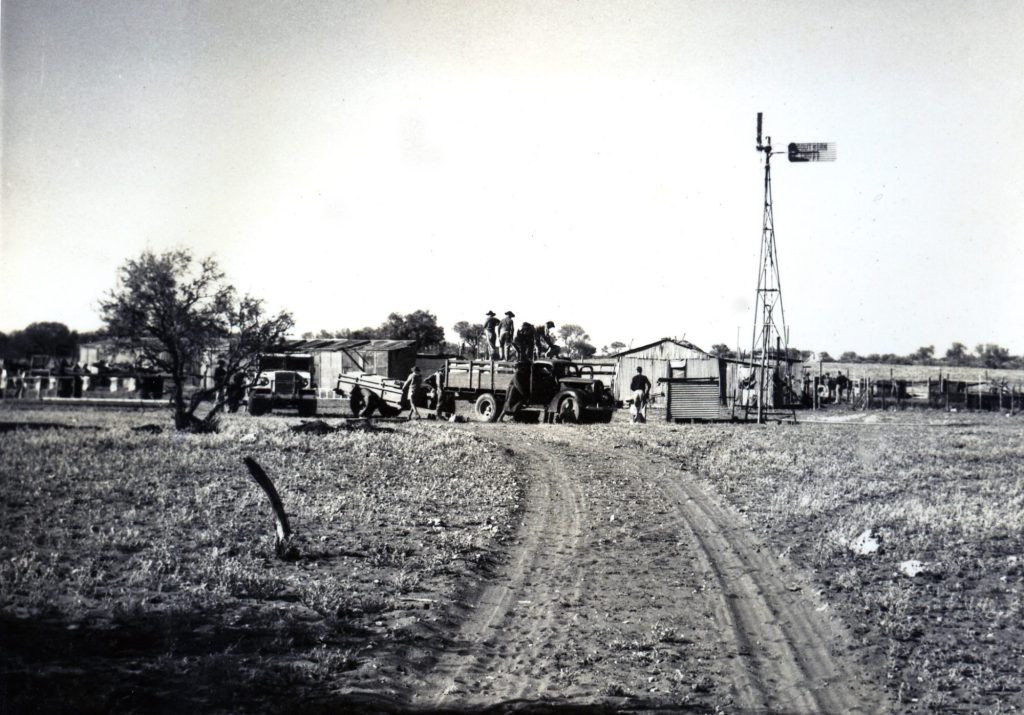
Peter Severin
Not long after we arrived in 1956, the heavens opened up and it rained 1 inch. Then it didn’t rain again for 9 years!
Peter Severin
02 / From 1956
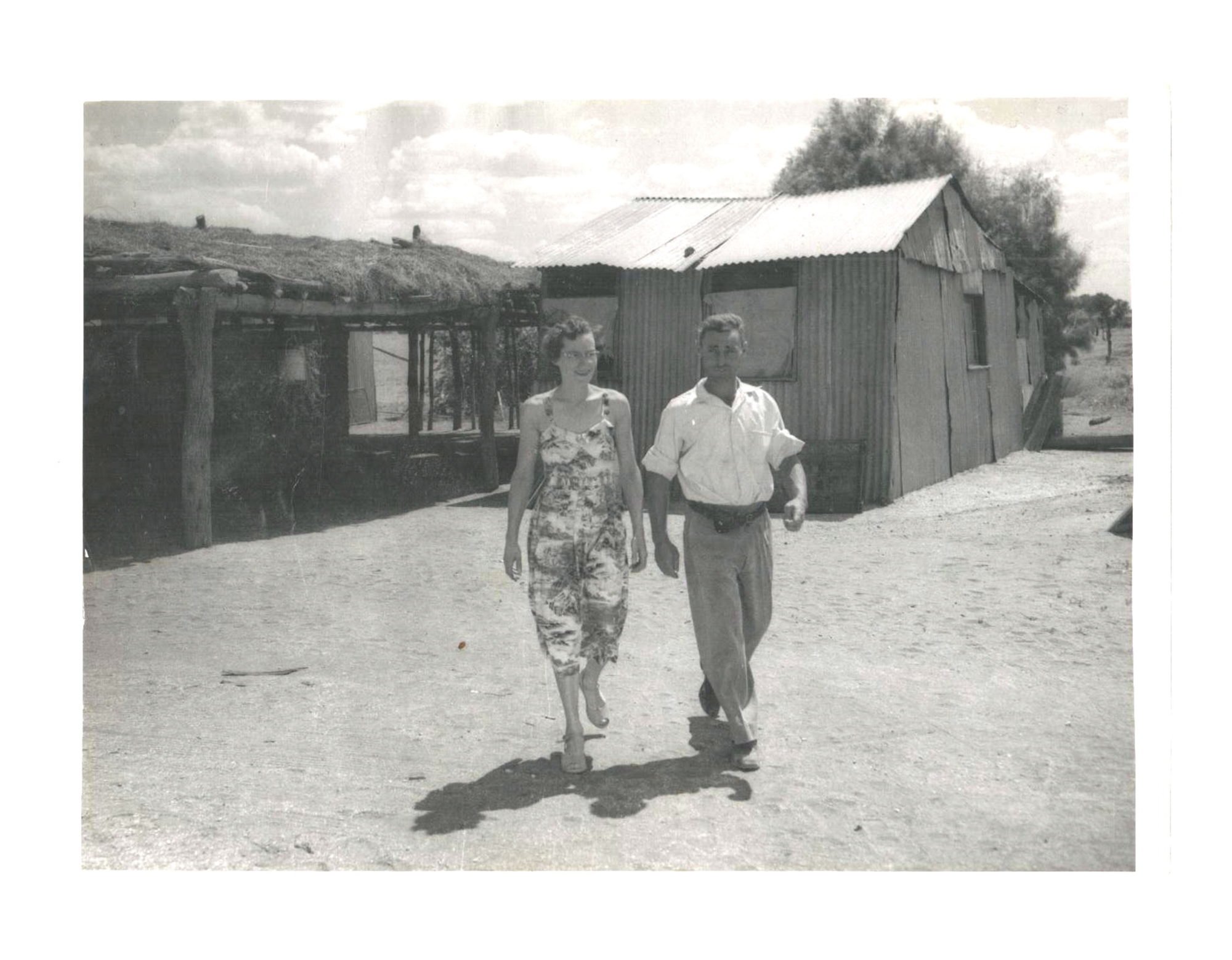
A Vanguard, a Bedford
and 1,500 head of cattle.
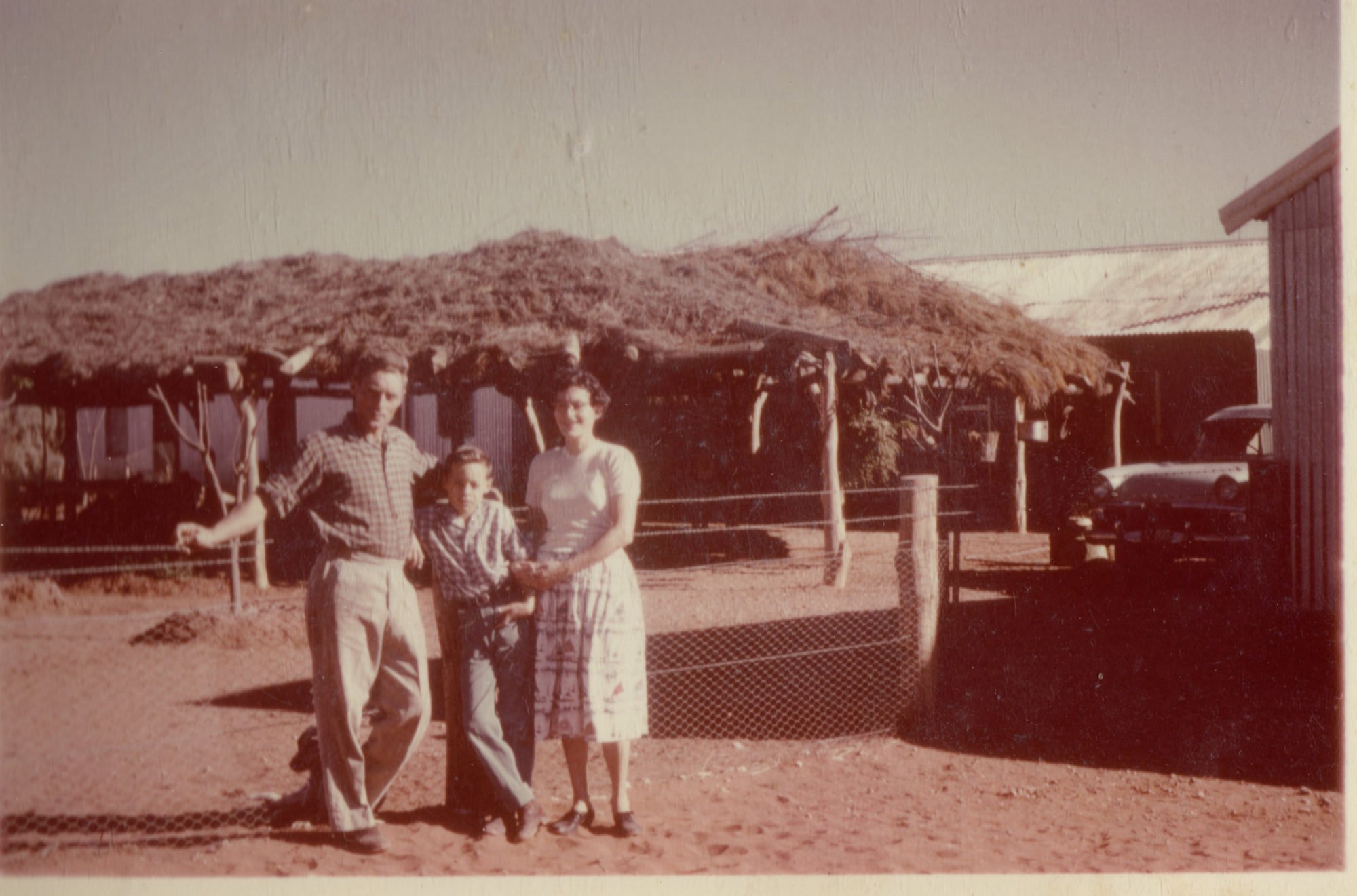
In 1956, Peter Severin arrived with his young wife Dawn, their toddler son Ashley and 1,500 head of cattle, in a Vanguard and a Bedford truck full of supplies and all their worldly possessions. The station was 500 square miles then. Peter’s brother Rollo and his family also arrived, but left very shortly afterwards.
Family folklore says that after Peter explained to his young wife that this was where they were going to live, she replied, “Boy… I’ve got news for you and it’s all bad.”
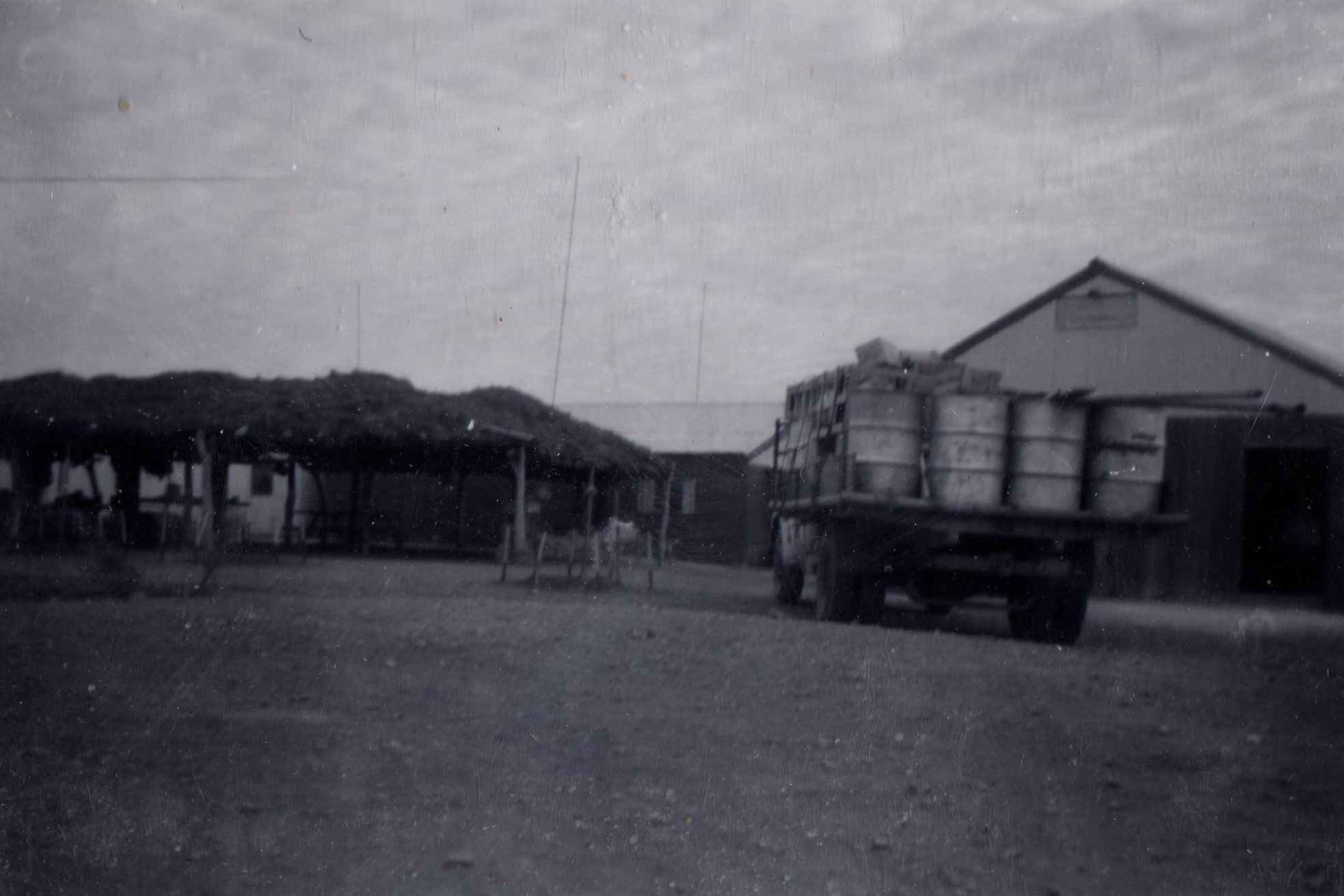
Life was very basic: wood stoves for cooking and hot water, all year round. For the first three years home was under the Bough Shed, with a tin room next to it for the stove and kitchen. Today the Bough Shed provides a dining area and a cool place for visitors to rest.
03 / Scones and cups of tea
Six visitors,
then nine.
In that first year just six people drove past Curtin Springs. The second year saw a 50% increase: 9 people came to visit!
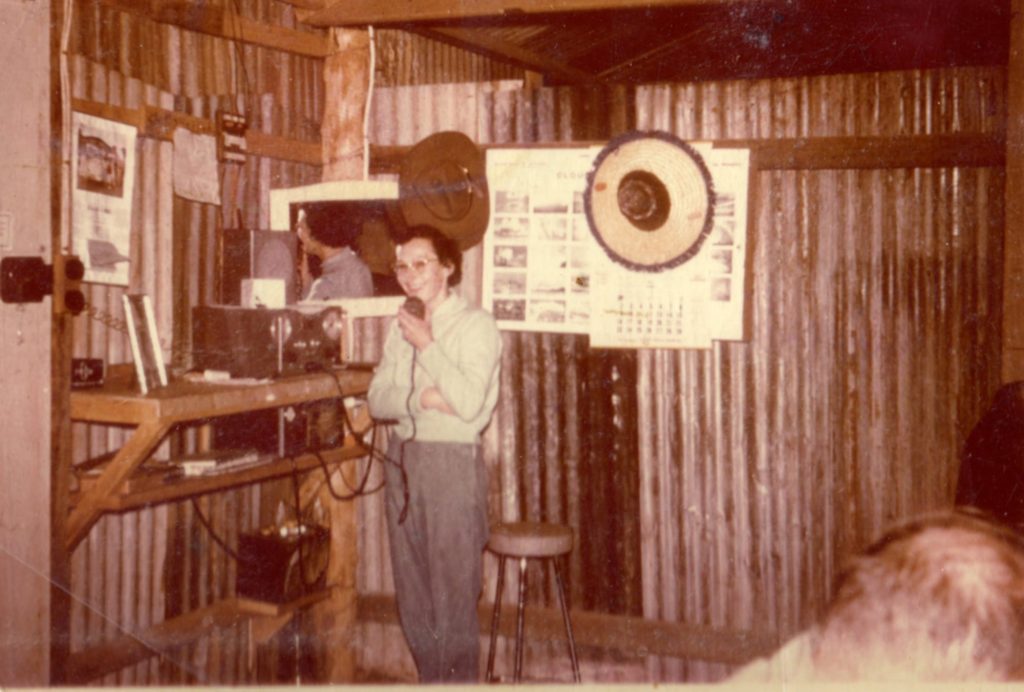
In the late 1950s, pioneering tourist companies began the first tours to Ayers Rock, and with them began the endless batches of scones and cups of tea served to the tourists. Our cattle numbers and management methods changed over the years, as did the tourist facilities at the Wayside Inn.
04 / Milestones
Through
the years.
| Year | Milestone |
|---|---|
| 1957 | The first tours to Ayers Rock began, once a week, run by Len Tuit. |
| 1958 | First liquor licence obtained. It required beds for three people and stabling for horses. |
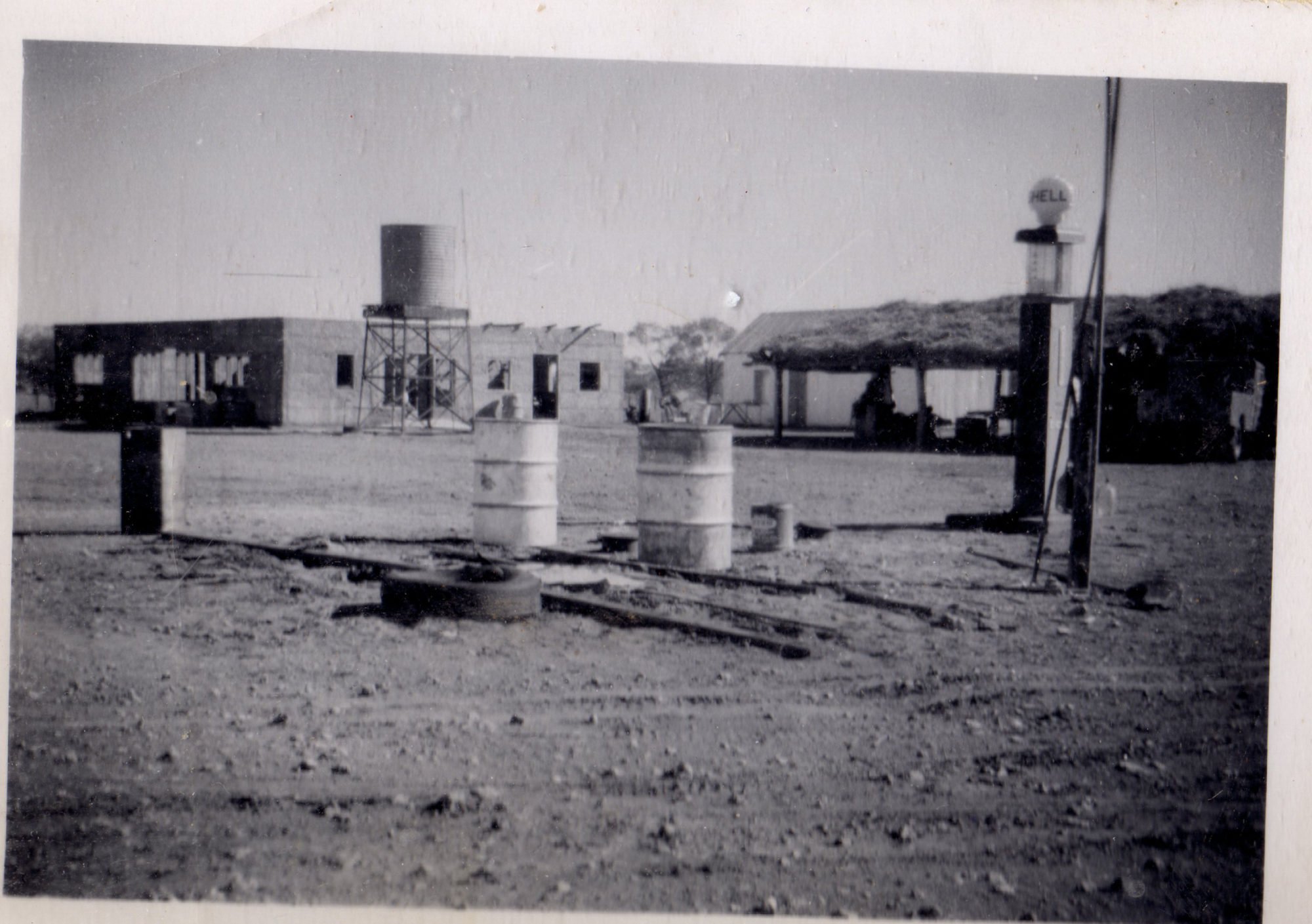
| 1958 | Peter and Dawn installed a fuel dispensing pump and a 500-gallon underground tank. |
| 1959–60 | A small grocery store was started, and Dawn Severin began serving morning and afternoon cups of tea and scones. Curtin Springs was the first tourist stop developed outside of Alice Springs. |
| 1958–1981 | Over 100 bore holes drilled. Only 14 sites usable. |
| 1961 | Lowest rainfall on record: 2 inches. |
| 1962–63 | Peter and Lofty built the original entrance way to the Ayers Rock National Park. |
| 1963–64 | Peter Severin helped install the chain on the Ayers Rock climb. |
| 1964 | Len Tuit increased to 2 buses per week from Alice Springs to Ayers Rock, among many other tour companies. The first ‘tourist’ staff member was employed for the busy winter periods. |
| 1967 | The Stone House was built, from stone quarried on the property. |
| 1967 | The drought broke, with only 400 head of cattle left. |
| 1970s | Mustering changed from horseback to helicopters, a requirement of the BTEC (TB and brucellosis) eradication program. |
| 1974 | Highest rainfall on record: 32 inches. |
| 1980s | Budget accommodation and family rooms installed. |
| 1987 | Ashley Severin travelled to the UK and Europe for his Nuffield Scholarship. |
| Late 1980s | Mustering changed to water trapping. |
| 2004 | Accommodation increased to 27 rooms. |
| 2009 | Commitment to change the herd to Murray Greys: 1,200 bush herd cows sold and 260 Murray Grey cows purchased. |
| 2014 | Launch of new tours and experiences: Curtin Springs Paper and Curtin Springs Walks. |
| 2016 | Highest rainfall in one day: 158mm on Boxing Day. |
| 2017 | Launch of Curtin Springs Paper jewellery, and opening of The Gallery at the Old Abattoir. |
| Dec 2017 | Installation of the new commercial kitchen. |
| Mar 2018 | The Artist in Residence program commenced. |
| 2018 | Installation of 5 new staff accommodation buildings. |
| 2019 | Close of the Uluru climb. |
| 2019–2020 | An exceptionally hard drought caused major losses of mulga trees and thryptomene bushes. The dead timber increases the risk of future fires. |
| 2020 | COVID effectively closed tourism for eight months and ceased extra programs, including Artist in Residence and Curtin Springs Walks. |
| 2021 | Peter sadly passed away, aged 93. |
05 / Now
Hard work, heartache,
tears and joy.
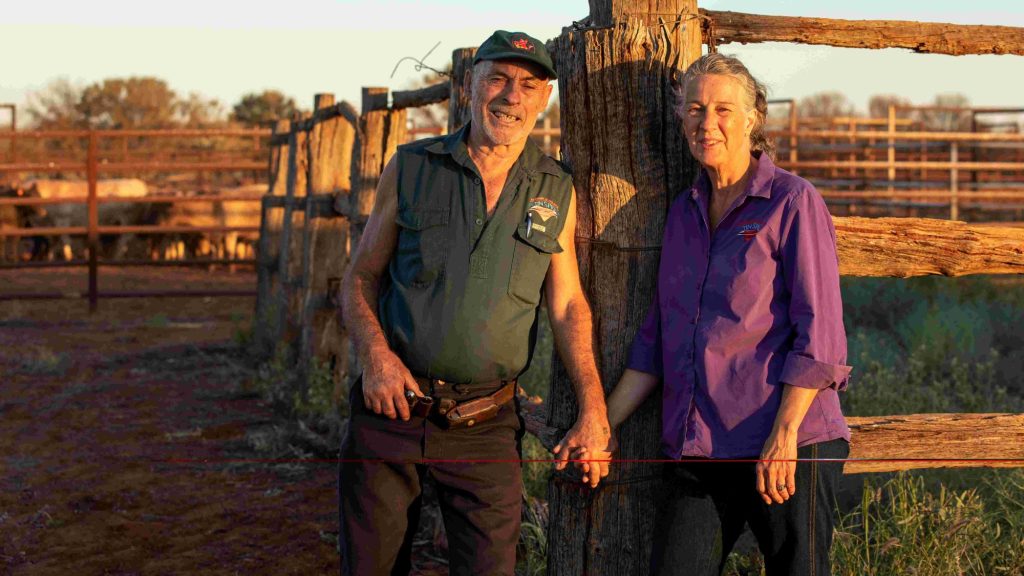
Curtin Springs is the place it is today as a result of a lot of hard work, heartache, tears and joy, and thousands of visitors.
Curtin Springs is over one million acres in size. It stands as a testament to the passion and commitment Peter, Ashley and Lyndee Severin have made to the pastoral and tourism industries of Central Australia.
We hope that you enjoy our story and a little glimpse of the history of Curtin Springs.
06 / From the family album
The early years.
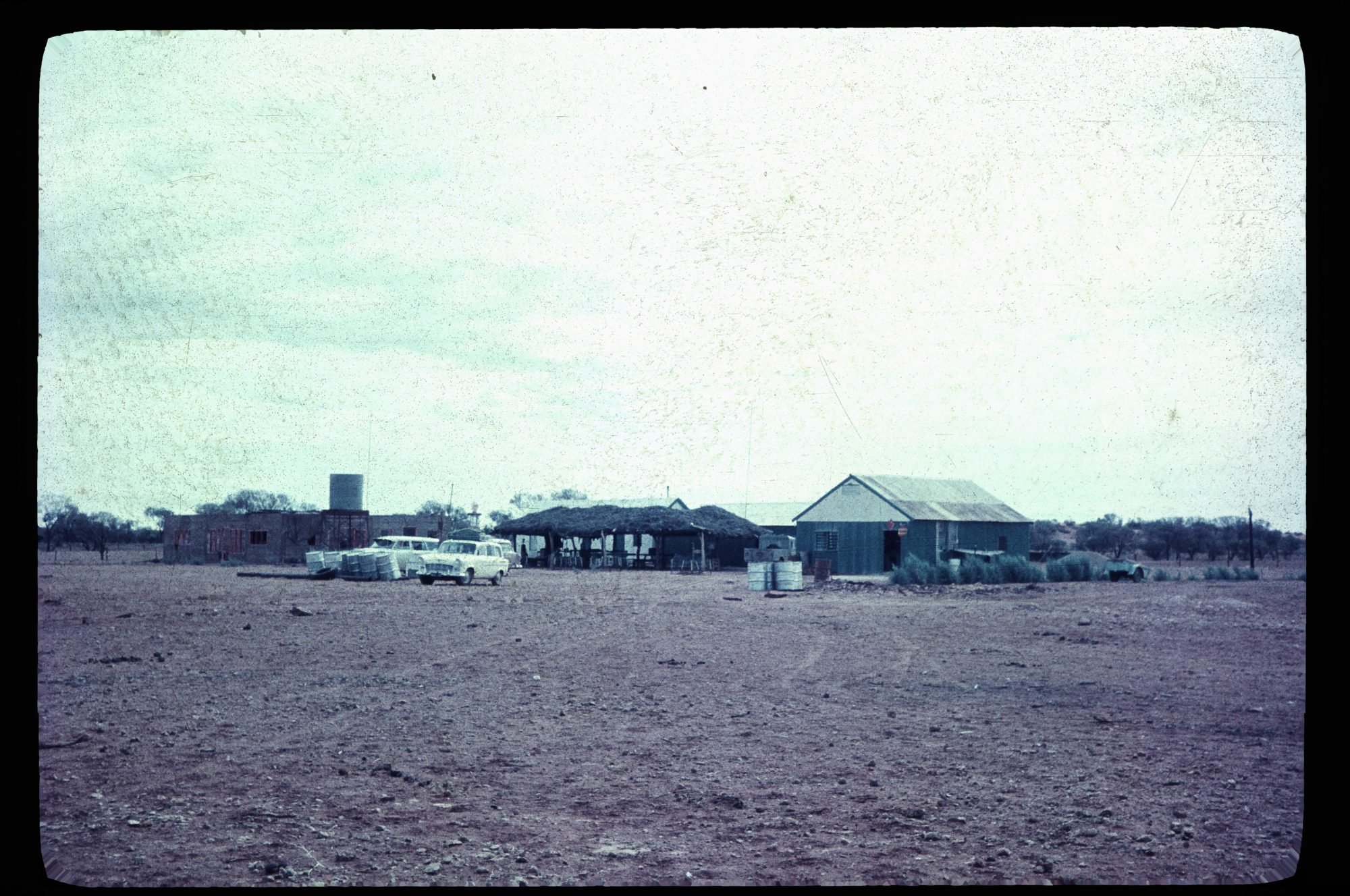
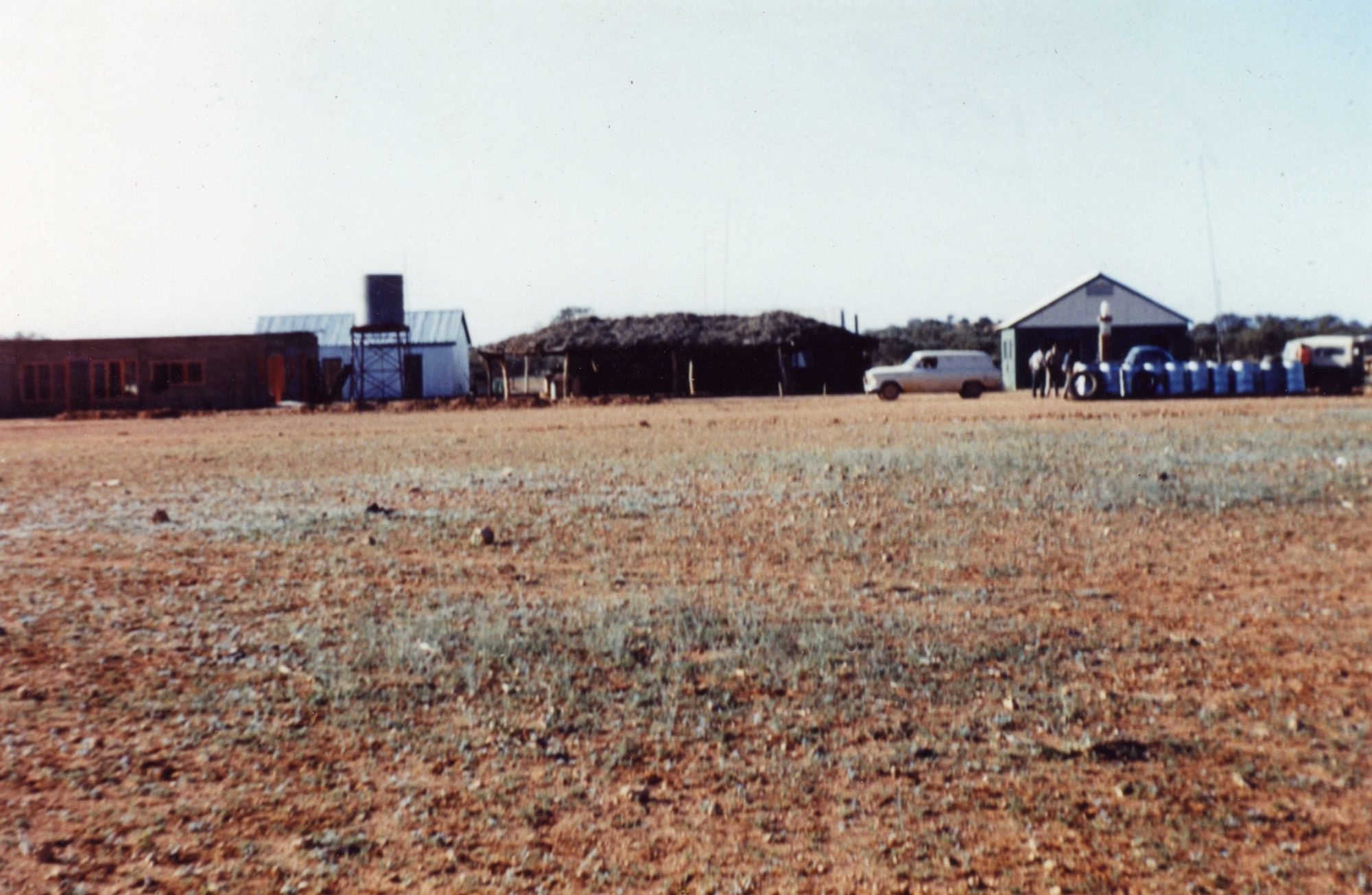
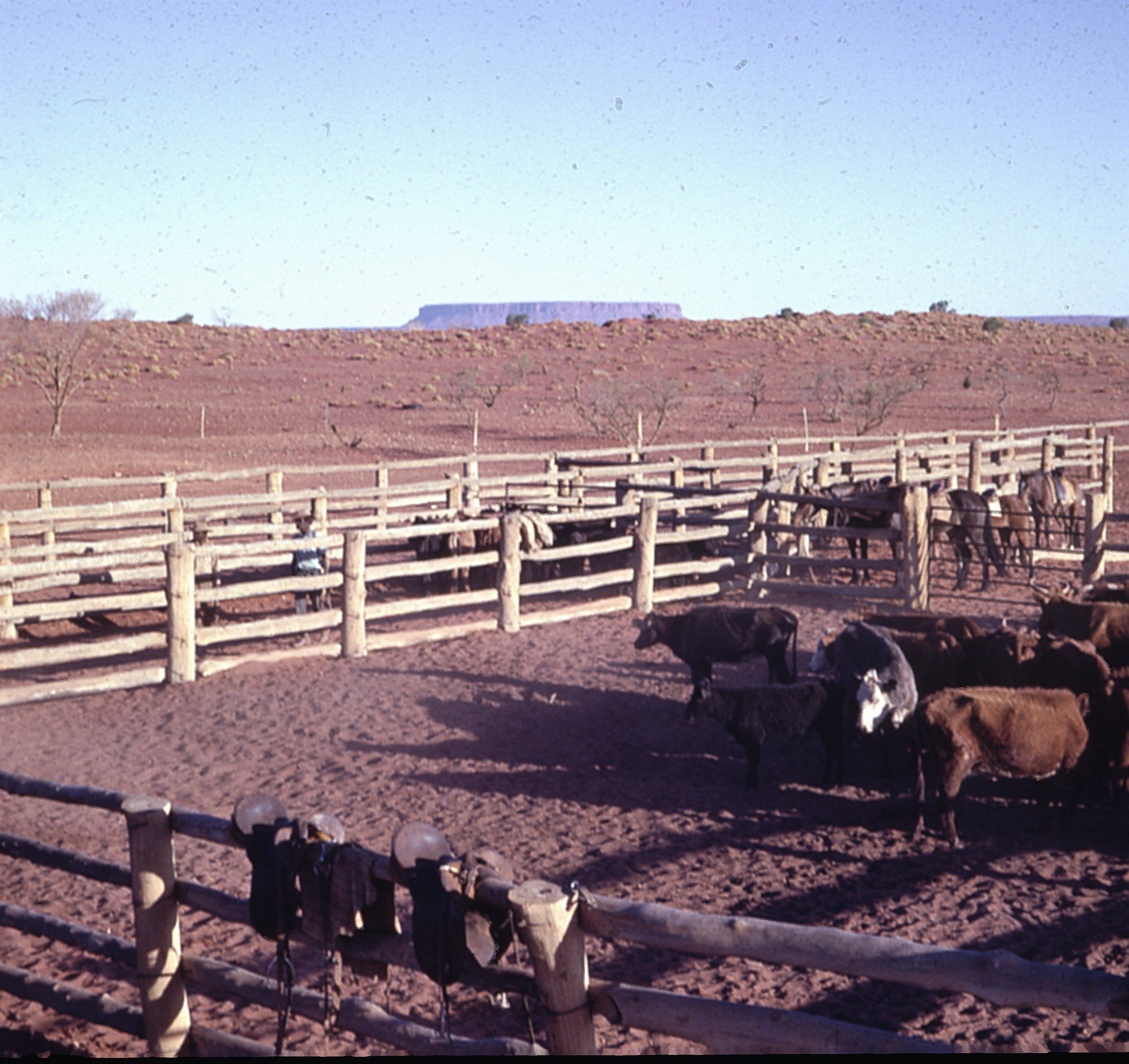
Photographs from the first decades at Curtin Springs. Select one to enlarge it.
07 / Be part of the story
Come and see
it for yourself.
Stay at the Wayside Inn, or find out how the station runs today.